Team Collaboration Software Built Around Isolated, Multi-Workspace Accounts

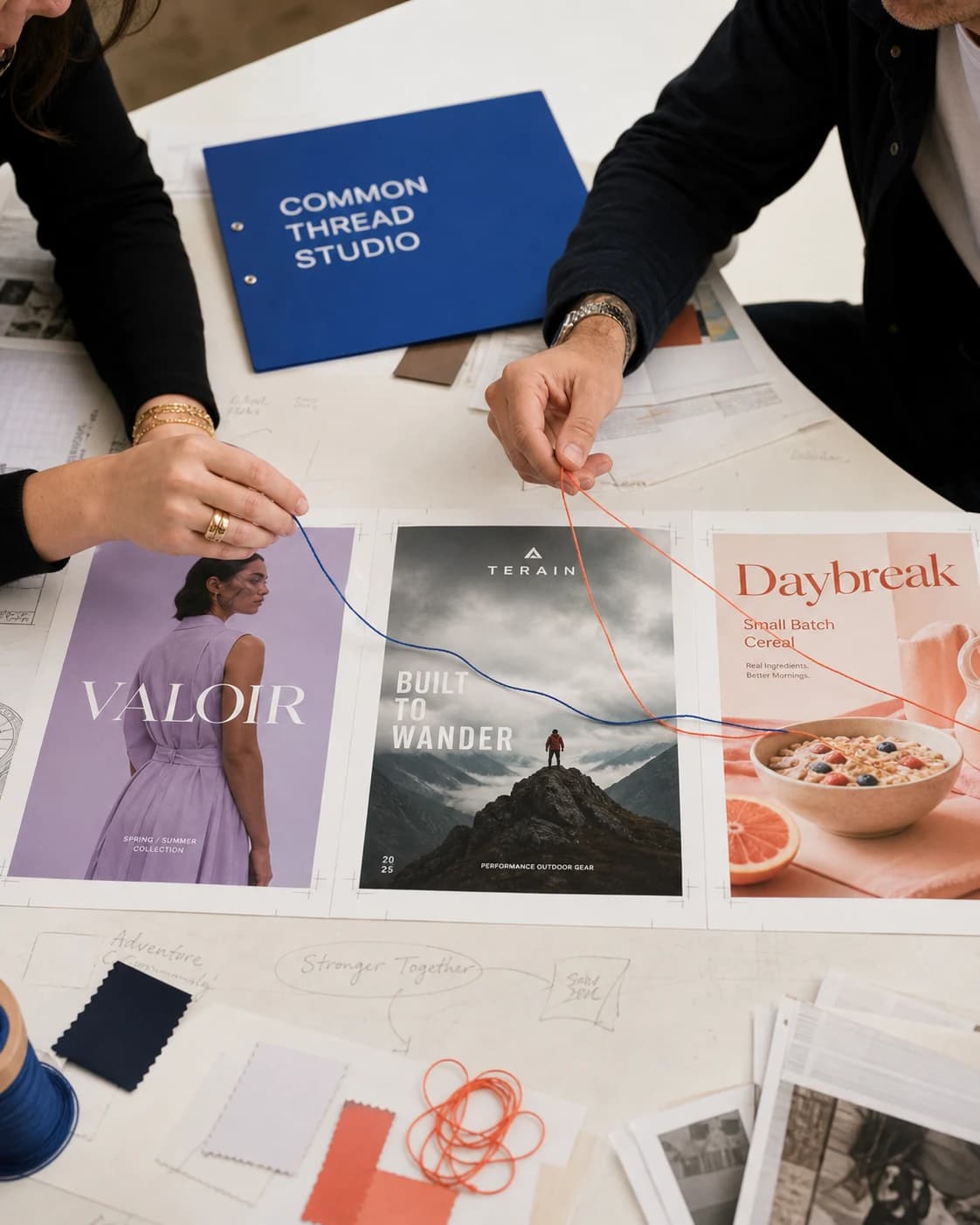
Common Thread Studio campaign presented for client review

Approve

The final say stays human

Most collaboration problems in social media teams are not communication problems, they are structural ones. Client accounts bleed into each other, connected pages get assigned to the wrong person, and coordination ends up happening in Slack instead of next to the content itself.

Give every brand or client its own workspace, its own team, and its own connections, then coordinate inside the platform instead of around it.

01Know what to say
02Create the campaign
03Keep the final say

Your social media team, without the team

Asteria works like five social roles inside one controlled workflow

Strategist, copywriter, designer, scheduler, and analyst stay connected so a lean team can ship social campaigns with less operational drag.

Your social media team, without the team

Virtual team

5 roles

Asteria works like five social roles inside one controlled workflow

Strategist

Shapes the campaign angle and channel plan.

In flow

Copywriter

Turns the direction into platform-ready posts.

In flow

Analyst

Feeds learnings back into the next campaign.

Ready

Brief

Linked

Assets

Linked

Approval

Linked

Before

Manual social workflow

  • Start from a blank page each week
  • Write, design, schedule, and report separately
  • Lose context between campaign cycles

After

Asteria workflow

  • Strategist, copywriter, designer, scheduler, and analyst work in one system
  • Campaign output moves toward approval faster
  • Learning compounds into the next campaign
01Each workspace has its own members, roles, invitations, platform connections, and billing
02Agencies get multiple isolated client workspaces as part of the Agency plan, so client brand context never mixes
03Built-in team chat inside each workspace, plus per-member assignment of connected pages and accounts

01

What this feature actually solves

Teams running more than one brand, or agencies running several clients, usually solve isolation badly: shared logins, one connected account managed by whoever remembers the password, and brand guidelines living in a doc nobody opens. Asteria structures this at the account level instead. A workspace is the unit of isolation, and everything else, members, roles, platform connections, settings, and billing, sits underneath it.

That means a client workspace does not share brand context, connected accounts, or team membership with any other workspace. Agencies get this as an explicit part of the Agency plan rather than something they have to engineer with permissions workarounds.

02

Roles, invitations, and who owns what

Adding someone to a workspace is an invitation with a role attached, not a shared credential. That role determines what they can see and do inside that workspace, and it has no bearing on any other workspace they might also belong to.

On top of workspace roles, individual platform pages and accounts can be assigned to specific team members. That matters once a workspace has more than one connected page, someone still needs to own the Instagram account while someone else owns LinkedIn, and Asteria keeps that ownership explicit rather than implied.

  • Per-workspace membership and role assignment, isolated from every other workspace
  • Per-team-member assignment of connected pages and accounts, not just blanket workspace access
  • Staff-side role-based permission gating for platform administration

03

Coordination without leaving the workflow

A recurring failure mode for social teams is that the actual decision-making happens somewhere the content is not: a separate chat app, an email chain, or a call that nobody wrote down. Asteria includes team chat inside each workspace so day-to-day coordination, questions about a draft, a note about timing, a flag on a client request, happens next to the work rather than in a parallel channel.

This sits alongside, not instead of, formal content approval. Sign-off and review status are handled through the dedicated approval workflow rather than through chat, which keeps informal coordination and formal accountability separate.

04

How this fits agencies specifically

Agencies are the clearest case for workspace isolation. Each client gets a workspace with its own brand settings, its own connected platform accounts, and its own team assignment, so there is no risk of one client's content, credentials, or approvals surfacing inside another client's workspace. Billing is also tracked per workspace, which matters when an agency needs to reconcile spend or usage against a specific client engagement.

This is a structural answer to a structural problem. It does not depend on staff remembering to keep client data separate, the workspace boundary does that by default.

05

What to evaluate beyond "multi-user access"

Plenty of tools describe multi-user access as collaboration. The more useful question is whether adding a client or a brand actually isolates that client or brand, or whether it just adds another filter on top of one shared account. Asteria's workspace model is built around the former: separate connections, separate roles, separate billing, and a chat surface that belongs to that workspace specifically.

Questions, answered.

Do workspaces share brand settings or connected accounts?+

No. Each workspace has its own brand context, its own connected platform accounts, and its own team, so nothing carries over between clients or brands by default.

Can I control which team member manages which connected page?+

Yes. Connected pages and accounts can be assigned to specific team members within a workspace, rather than leaving every member with equal access to every connection.

Is team chat part of the approval process?+

No. Team chat is for day-to-day coordination inside a workspace. Formal review and sign-off run through the dedicated approval workflow so accountability stays separate from informal discussion.

Is multi-workspace support only for agencies?+

Agencies get multiple isolated client workspaces as an explicit part of the Agency plan, but the underlying workspace model, roles, invitations, connections, and billing per workspace, is the same structure any multi-brand account uses.

Related pages

Give every client or brand its own isolated workspace

If your team is managing more than one brand or client account, compare Asteria's workspace model against sharing logins or bolting permissions onto a single account.